
 By Yasir Hafeez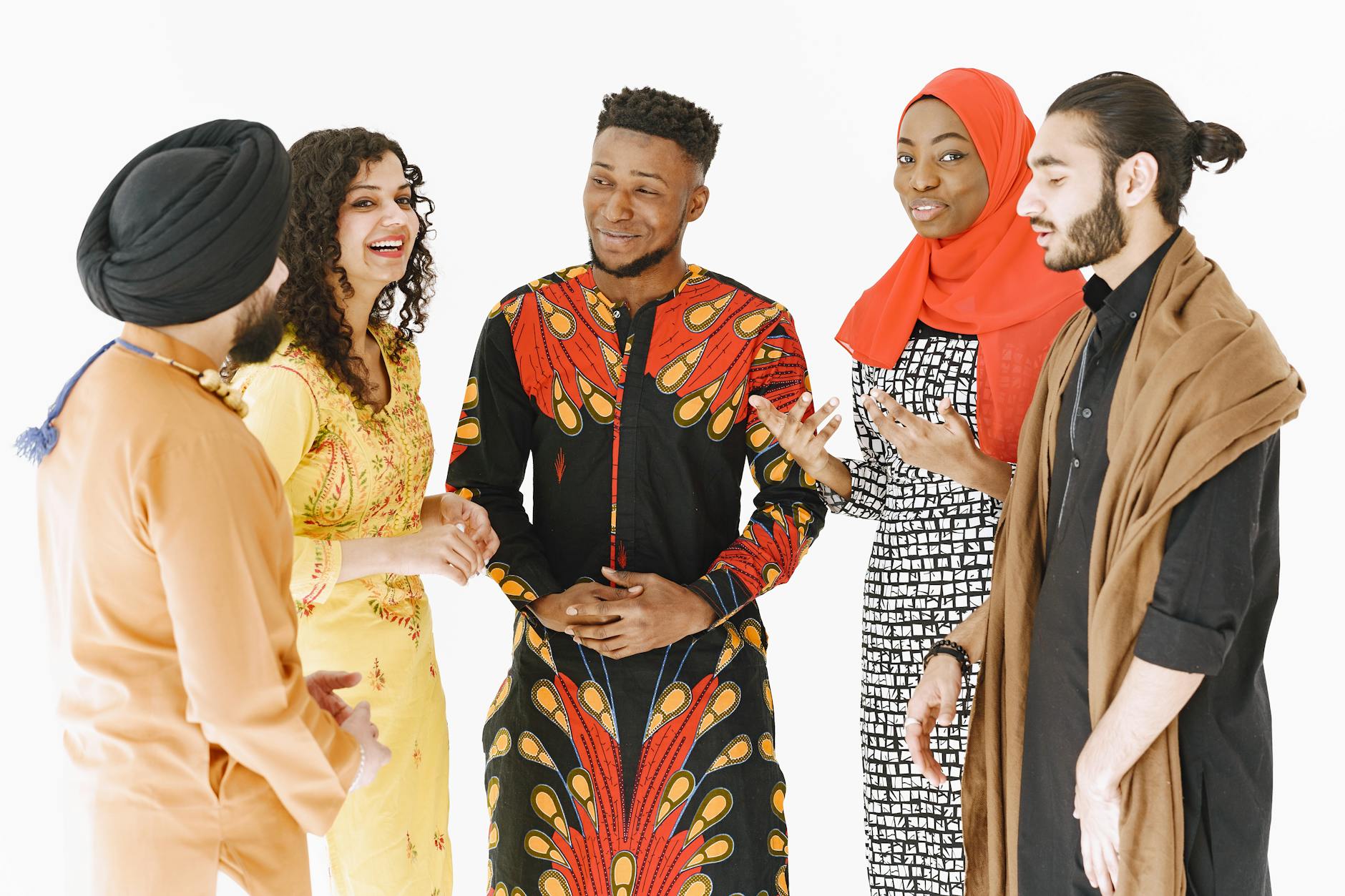
Cultural Traditions Examples: The Fabric of Society
Imagine a world without the vibrant colors of Diwali, the solemnity of Thanksgiving, or the rhythmic beats of a traditional wedding ceremony. These aren’t just isolated events. they’re living examples of cultural traditions, the invisible yet powerful forces that bind communities, shape identities, and transmit values across generations. In my 8 years writing about societal dynamics, I’ve seen firsthand how a lack of understanding around these practices can lead to misunderstanding, but also how their appreciation can build incredible connection.
Last updated: April 22, 2026
Cultural traditions are the shared customs, beliefs, rituals, and practices passed down from one generation to the next within a specific group or society. They provide a sense of belonging, continuity, and identity, offering a framework for world and our place within it. These examples range from grand public festivals to intimate family routines.
What Defines a Cultural Tradition?
At their core, cultural traditions are learned behaviors and shared understandings that are considered important by a particular group. They aren’t static. they evolve, adapt, and sometimes disappear over time. Several key elements define a tradition:
- Shared Practice: It’s something done by Many people within the group.
- Generational Transmission: It’s passed down, often through observation, storytelling, and participation.
- Symbolic Meaning: It carries significance beyond the act itself, representing values, beliefs, or historical events.
- Community Reinforcement: The practice is often encouraged or expected by the community.
For instance, the act of bowing in many East Asian cultures is more than a simple greeting. it carries deep-seated meanings of respect, hierarchy, and social harmony, learned from childhood. Here’s a profound example of how a simple gesture becomes a rich cultural tradition.
Everyday Cultural Traditions Examples
While grand festivals often capture our attention, many everyday practices are potent cultural traditions. Consider the common practice of sharing a meal together. In many Mediterranean cultures, family dinners are a central ritual, often lasting for hours, involving multiple courses, and serving as a Key time for connection and storytelling. According to Pew Research Center (2020), meals are frequently the focal point for family bonding across various cultures.
Another example is the way holidays are observed. In the United States, Thanksgiving is a tradition centered on gratitude, family gatherings, and a specific meal. While the core values of gratitude and togetherness are emphasized, the specific dishes served can vary by region and family history – a testament to how traditions can be both shared and personalized.
Celebratory Cultural Traditions Examples
Public celebrations are perhaps the most visible forms of cultural traditions. Think of the elaborate parades and fireworks during Lunar New Year, symbolizing good fortune and warding off evil spirits. Families will clean their homes, decorate with red and gold, and exchange red envelopes filled with money. This tradition, observed by over 1.5 billion people worldwide, is a powerful display of shared heritage.
Similarly, the Day of the Dead (Día de Muertos) in Mexico is a vibrant celebration honoring deceased loved ones. Families create ofrendas (altars) adorned with marigolds, candles, and the favorite foods of the departed. It’s a beautiful example of cultural preservation, blending indigenous Aztec rituals with Catholicism, and it was recognized by UNESCO as a Masterpiece of the Oral and Intangible Heritage of Humanity in 2008.
The Oktoberfest in Munich, Germany, while now a global phenomenon, originated as a wedding celebration in 1810. It exemplifies how a specific historical event can evolve into a widely recognized cultural tradition focused on beer, food, and Bavarian culture.
Ritualistic and Ceremonial Traditions
Rituals and ceremonies are deeply embedded cultural traditions that mark significant life events. Weddings, births, and funerals are universal human experiences, but the traditions surrounding them are culturally specific. In many Hindu weddings, for instance, the Saptapadi (seven steps) around a sacred fire are a Key ritual symbolizing commitment and shared life. Each step represents a vow, making the ceremony rich with meaning.
Baptism in Christianity, circumcision in Judaism and Islam, and naming ceremonies in various cultures all serve as rites of passage. These traditions not only mark a transition but also integrate the individual into the community and its belief system. As explained by the Encyclopædia Britannica, these rites help individuals navigate life’s fundamental changes.
The Role of Cultural Traditions in Identity
Cultural traditions are foundational to personal and collective identity. They provide answers to fundamental questions: Who are we? Where do we come from? What do we believe in? Participating in traditions connects individuals to their heritage and a larger group narrative.
For many, especially in diaspora communities, maintaining cultural traditions is a way to stay connected to their roots. You can involve cooking traditional foods, speaking their native language, celebrating specific holidays, or practicing traditional arts and crafts. For example, the widespread popularity of K-Pop music and K-dramas has led many younger generations globally to explore and embrace Korean cultural traditions.
Preserving and Evolving Traditions
The question of how to preserve traditions while allowing them to evolve is a constant challenge. Some traditions may become outdated or impractical in modern society. Others might be adapted to incorporate new technologies or address contemporary issues. The key lies in underlying values and meanings of a tradition, rather than adhering rigidly to every specific practice.
For instance, while the form of letter writing might have changed with email and social media, the tradition of sending seasonal greetings or well wishes persists. The method has adapted, but the core intent remains. According to the National Endowment for the Arts (2019), participation in arts and cultural traditions remains high, indicating their continued relevance.
Practical Tips for Engaging with Cultural Traditions
When encountering or participating in cultural traditions different from your own, a thoughtful and respectful approach is essential. Here are some practical tips:
1. Seek to Understand, Not Just Observe
Don’t just watch. try to learn about the history, meaning, and significance behind a tradition. Ask respectful questions if appropriate. For example, if attending a Japanese tea ceremony, principles of wabi-sabi (finding beauty in imperfection) adds depth to the experience.
2. Be Mindful of Context
Recognize that some traditions are deeply personal or sacred. Be aware of the appropriate setting and your role within it. For instance, visiting a religious site requires a different level of decorum than attending a public festival. Always dress modestly when visiting sacred sites.
3. Practice Humility and Openness
Approach new traditions with an open mind and a willingness to learn. Avoid judgment. What might seem unusual to you is likely deeply meaningful to others. Remember that many of these traditions have endured for centuries for good reason.
4. Participate Respectfully When Invited
If invited to participate, do so with genuine interest and follow the lead of those familiar with the practice. If there are specific customs or etiquette, try your best to adhere to them. For example, when offered food during a traditional meal, accept it graciously, even if it’s just a small portion.
5. Support Cultural Preservation Efforts
Show your appreciation by supporting cultural organizations, attending events, or learning a traditional craft. Organizations like the Smithsonian Center for Folklife and Cultural Heritage play a Key role in documenting and presenting these traditions to a wider audience.
Frequently Asked Questions
what’s the difference between culture and tradition?
Culture is the broad set of shared beliefs, values, customs, behaviors, and artifacts that characterize a group or society. Traditions are specific practices, customs, or rituals that are passed down within that culture, often embodying its core values and beliefs.
Are all traditions good?
Not necessarily. While many traditions are positive, building community and identity, some can be harmful, discriminatory, or outdated. Critical evaluation and adaptation are sometimes necessary for traditions to remain relevant and ethical in contemporary society.
How do traditions influence our daily lives?
Traditions influence daily life through routines, social expectations, and the values they reinforce. They can dictate how we celebrate holidays, interact with family, prepare food, mark life events, and even how we perceive time and community.
Can traditions change over time?
Absolutely. Traditions are dynamic, not static. They evolve due to social, economic, and technological changes, as well as through cultural exchange and adaptation. The core meaning might remain, but the practice itself can transform.
Why is it important to learn about other cultural traditions?
Learning about other traditions promotes intercultural understanding, empathy, and respect. It broadens our perspectives, challenges our assumptions, and enriches our own understanding of the human experience, building a more connected and harmonious global society.
Conclusion
Cultural traditions examples are more than just quaint customs. they’re the living expressions of human history, values, and identity. They provide structure, meaning, and connection in an ever-changing world. By understanding, respecting, and thoughtfully engaging with these traditions—both our own and those of others—we contribute to a richer, more empathetic, and deeply connected global community. Embracing this understanding is a catalyst for personal growth and societal harmony.
Editorial Note: This article was researched and written by the Vista Catalyst editorial team. We fact-check our content and update it regularly. For questions or corrections, contact us.