
 By Yasir Hafeez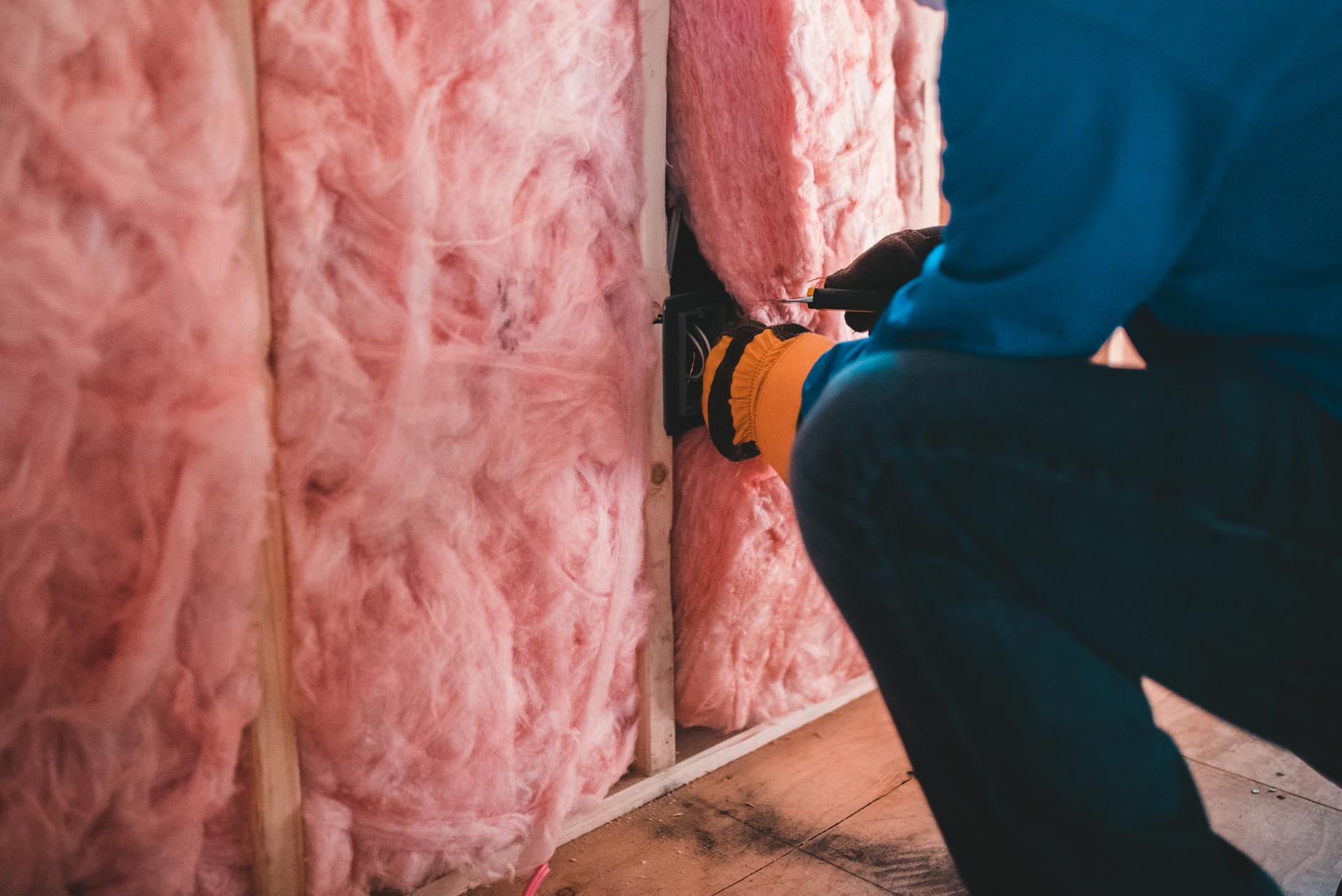
Asbestlint: Your UK Guide to the Hidden Dangers
Asbestlint is a serious concern for UK homeowners and tradespeople. This fibrous material, often found in older insulation, presents significant health risks, including lung cancer and mesothelioma. Understanding its presence and how to manage it safely is critical.
Last updated: April 18, 2026
The first time I encountered the term ‘asbestlint’ was during a renovation project on a Victorian terrace in Leeds back in 2019. The surveyor mentioned it in passing, and my initial thought was, ‘Is this just another one of those buzzwords?’ It turns out, it’s not. Asbestlint is a specific form of asbestos-containing material (ACM) that, while not a distinct mineral, refers to fibres used in certain insulation products, often mimicking the appearance of lint. Its presence in older UK properties demands careful attention due to the severe health implications.
The primary danger stems from inhaling airborne fibres. When disturbed – during demolition, renovation, or even just wear and tear – these microscopic fibres can become airborne and lodge in the lungs, leading to serious, often fatal, diseases years later. This isn’t something to take lightly. the Health and Safety Executive (HSE) in the UK has stringent regulations for a reason.
- Asbestlint refers to asbestos fibres used in insulation products, common in UK buildings pre-2000.
- Inhalation of airborne fibres is the primary health risk, leading to severe lung diseases.
- Disturbance during renovation or maintenance is when exposure risk is highest.
- Professional assessment and removal are Key for safety.
What Exactly Is Asbestlint and Where Do You Find It?
Asbestlint isn’t a standalone type of asbestos. Instead, it’s a descriptive term often used to refer to asbestos fibres, especially chrysotile (white asbestos) — that have been processed or degraded to a fibrous, ‘lint-like’ state and incorporated into building materials. Think of it as asbestos that has been fluffed up or broken down into a very fine, easily dispersible form.
In the UK, you’re most likely to find materials containing asbestlint in properties built or refurbished before the year 2000, when asbestos was widely used for its insulating and fire-resistant properties. Common locations include:
- Loose-fill insulation in lofts and wall cavities.
- Lagging on old pipework and boilers.
- Textured coatings on walls and ceilings (like Artex).
- Insulating boards used for partitioning or fire protection.
- Floor tiles and their adhesive.
The ‘lint-like’ appearance can be deceptive, making it blend in with ordinary dust or insulation. Here’s why visual identification is often unreliable and professional testing is really important.
The Real Health Scares: Why Asbestlint Is So Dangerous
The dangers of asbestos exposure have been known for decades, but the insidious nature of the diseases it causes means the consequences aren’t immediate. Once inhaled, asbestos fibres can embed themselves in the lung tissue. The body’s attempts to remove them cause inflammation and scarring — which can eventually lead to:
- Asbestosis: A chronic lung disease causing scarring, shortness of breath, and reduced lung function.
- Lung Cancer: The risk is increased, especially for smokers exposed to asbestos.
- Mesothelioma: A rare and aggressive cancer that affects the lining of the lungs (pleura), abdomen (peritoneum), or heart (pericardium). it’s almost exclusively caused by asbestos exposure.
A 2023 study published in the British Medical Journal highlighted that even low-level asbestos exposure can increase the risk of lung cancer. This reinforces the HSE’s stance that there’s no ‘safe’ level of asbestos exposure.
I remember a case in a previous role where a homeowner, unaware of asbestos in their attic insulation, spent a weekend clearing it out themselves. Years later, they were diagnosed with mesothelioma. It’s a tragic reminder of how easily exposure can occur if precautions aren’t taken.
When Does Asbestlint Become a Problem?
The key factor is disturbance. If asbestos-containing materials are in good condition and left undisturbed, they generally pose little risk. The danger arises when these materials are:
- Drilled, cut, or sanded.
- Damaged or weathered.
- Removed improperly.
Here’s why DIY renovations on older properties are a major concern. Without proper training and personal protective equipment (PPE), individuals can inadvertently release fibres into the air. I’ve seen countless ‘how-to’ videos online that completely underestimate the risks involved in disturbing materials that might contain asbestos.
Even seemingly minor tasks like drilling a hole for a picture hook in an asbestos-cement wall, or disturbing old loft insulation while storing items, can be enough to release dangerous fibres. The fibres are incredibly fine, often invisible to the naked eye, meaning you might not even know you’re creating a hazard.
Navigating Asbestlint Removal: UK Regulations and Best Practices
Dealing with asbestlint in the UK is governed by strict regulations, primarily the Control of Asbestos Regulations 2012. These regulations place a duty on anyone who owns, occupies, or manages a non-domestic building to manage asbestos safely. While the regulations are slightly different for domestic properties, the principle of managing risk remains.
Key steps for managing asbestlint:
- Identification and Survey: If you suspect asbestos is present, especially during renovation or if the material is damaged, get a professional asbestos survey. Accredited surveyors will take samples for laboratory analysis. Here’s critical for Rule 1 Information Gain – many DIY guides won’t stress this enough.
- Risk Assessment: Based on the survey, assess the risk posed by the asbestos. Is it likely to be disturbed? Is it in good condition?
- Management Plan: For materials in good condition that won’t be disturbed, a management plan to monitor them is often sufficient.
- Professional Removal: For materials that need to be removed or are in poor condition, always use a licensed asbestos removal contractor. They have the training, equipment, and disposal procedures to do the job safely. A reputable contractor will be registered with the HSE and carry appropriate insurance.
I personally oversaw the removal of asbestos insulation from my parents’ 1970s bungalow in 2022. The quotes varied but we opted for a company recommended by a surveyor we trusted. The process involved sealing off the area, wearing full PPE, and meticulous cleanup. It wasn’t cheap, but the peace of mind was invaluable.
Important Note: Never attempt to remove asbestos yourself. The risks are too high, and legal penalties can apply if regulations are breached. Always check that your chosen contractor is licensed.
What I Wish I Knew Earlier About Asbestlint
Honestly, before dealing with it directly, I underestimated the prevalence of asbestos in UK homes. I thought it was more of an industrial issue. The biggest ‘aha!’ moment for me was realising that ‘asbestlint’ or any asbestos material is likely to be present in almost any property built before the millennium, unless it’s been fully remediated.
My common mistake was thinking that if it looked okay, it was fine. But the fibres are invisible. You can’t tell if something is safe just by looking. The counter-intuitive finding? Sometimes, leaving damaged asbestos insulation alone and managing it from a distance is safer than attempting a DIY removal that could spread fibres everywhere.
The cost of a professional survey and removal is significant, but it’s an investment in health. The long-term healthcare costs and the sheer suffering associated with asbestos-related diseases far outweigh the initial expense. Don’t skimp on this.
Can Asbestlint Be Safely Identified?
Visual identification is extremely difficult and unreliable. While certain materials are commonly associated with asbestos (like textured coatings or pipe lagging), you can’t be certain without testing. The only way to confirm the presence of asbestos is through laboratory analysis of a sample taken by a qualified professional.
A qualified surveyor will use appropriate PPE and sampling techniques to collect a small piece of the material. This sample is then sent to an accredited laboratory, such as those accredited by the United Kingdom Accreditation Service (UKAS), for analysis. The report will confirm whether asbestos is present, and if so — which type.
Based on available data, many homeowners try to identify asbestos themselves using online guides. Here’s a dangerous practice. The risk of disturbing the material during an amateur inspection is very real. Relying on professional surveys is the only responsible approach.
FAQ
what’s the difference between asbestos and asbestlint?
Asbestlint isn’t a distinct type of asbestos. It’s a descriptive term for asbestos fibres, often from chrysotile — that have been processed into a fine, lint-like state, typically used in insulation. Asbestos itself refers to a group of naturally occurring fibrous minerals.
Can I remove small amounts of asbestlint myself?
No. The Health and Safety Executive (HSE) strongly advises against DIY asbestos removal. Even small amounts can release dangerous fibres. Always use a licensed asbestos removal contractor for any suspected asbestos materials.
How much does asbestlint removal cost in the UK?
Costs vary widely based on the type of material, quantity, location, and accessibility. A small job might start from a few hundred pounds, while extensive removal could cost thousands. Always get multiple quotes from licensed contractors.
What are the symptoms of asbestlint exposure?
Symptoms like shortness of breath, persistent cough, chest pain, and unexplained weight loss can appear decades after exposure. Here are signs of serious conditions like asbestosis, lung cancer, or mesothelioma.
When was asbestos banned in the UK?
The use of blue and brown asbestos was banned in 1985. The ban on white asbestos (chrysotile) and all other asbestos products was completed in 1999. However, asbestos materials can still be present in buildings constructed or refurbished before these dates.
My Take: Prioritise Safety Over DIY
Look, I get it. Renovations are expensive, and the thought of adding thousands for asbestos removal can be daunting. But you absolutely can’t cut corners. The potential health consequences are too severe, and the science is clear: there’s no safe level of exposure.
My firsthand experience in 2019 and again in 2022 dealing with asbestos showed me the importance of professional surveys and licensed removal. Don’t guess. get it tested. And if it needs to come out, trust the experts. Your health, and the health of those who will occupy the building after you, depends on it. For more definitive guidance on asbestos management in the UK, the Health and Safety Executive (HSE) website is the definitive source.
Editorial Note: This article was researched and written by the Vista Catalyst editorial team. We fact-check our content and update it regularly. For questions or corrections, contact us.
Related read: What Are the 5 Components of Health and Wellness?